What Is Warehousing in Logistics? Complete Beginner’s Guide
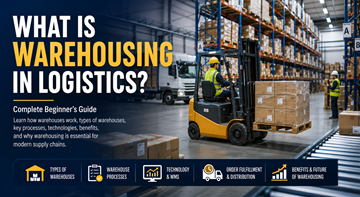
In this beginner-friendly guide, you’ll learn what warehousing means, how warehouses operate, the different types of warehouses, and why warehousing is essential for transport, logistics, and distribution companies.
What Is Warehousing?
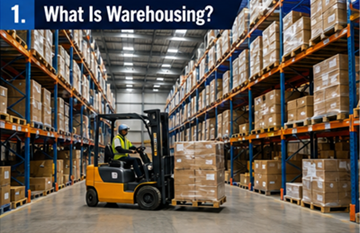
Warehousing is the process of storing goods and cargo before they are distributed, sold, or transported to their final destination. Warehouses are specialized facilities designed to safely store products while managing inventory, packaging, and shipping operations.
Warehouses are used by manufacturers, transport companies, wholesalers, retailers, e-commerce businesses, and logistics providers. They allow companies to keep products available and ready for delivery whenever customers place orders.
- Storage of goods and materials
- Inventory management
- Order preparation and packaging
- Loading and unloading cargo
- Distribution and shipment handling
- Product tracking and stock control
Why Warehousing Is Important in Logistics
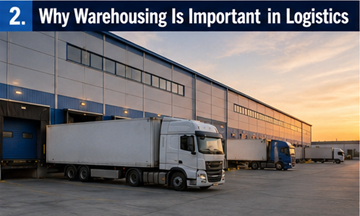
Warehousing plays a critical role in supply chains because it connects production, transport, and delivery operations. Without warehouses, companies would struggle to manage stock levels and deliver products efficiently.
Modern warehousing improves delivery speed, reduces transportation costs, and helps businesses maintain stable inventory levels during periods of high demand.
- Faster delivery times
- Better inventory organization
- Reduced transport delays
- Improved supply chain efficiency
- Safer product storage
- Lower operational costs
- Simplified order fulfillment
How a Warehouse Works
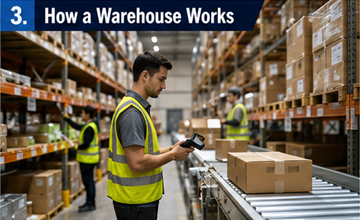
A warehouse operates through a series of organized logistics processes that ensure products move efficiently from arrival to final shipment.
- Goods arrive at the warehouse
- Products are unloaded from trucks or containers
- Inventory is checked and registered
- Goods are stored in designated locations
- Orders are received from customers or businesses
- Products are picked from storage
- Items are packed and labeled
- Shipments are loaded onto delivery vehicles
- Goods are transported to customers or distribution centers
Many modern warehouses use barcode scanners, RFID systems, automation, and warehouse management software to improve speed and accuracy.
Types of Warehouses
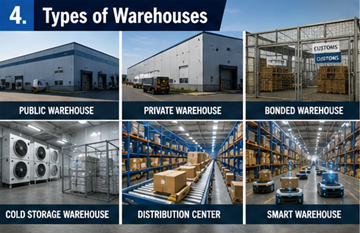
There are several types of warehouses used in logistics and supply chain operations. Each type serves different industries and business needs.
- Public warehouses operated by third-party logistics providers
- Private warehouses owned by manufacturers or retailers
- Distribution centers focused on fast product movement
- Bonded warehouses for imported goods under customs control
- Cold storage warehouses for temperature-sensitive products
- Smart warehouses using automation and robotics
- E-commerce fulfillment centers for online orders
The choice of warehouse depends on product type, delivery speed requirements, storage conditions, and operational costs.
Warehouse Equipment and Technology
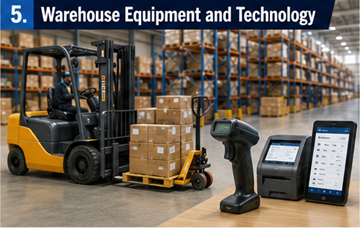
Modern warehouses rely on specialized equipment and digital technology to improve efficiency and safety.
- Forklifts and pallet trucks
- Storage racks and shelving systems
- Barcode scanners
- RFID tracking systems
- Warehouse Management Systems (WMS)
- Automated conveyors
- Inventory software
- Packing and labeling machines
Automation helps reduce manual work, improve inventory accuracy, and accelerate order processing.
What Is a Warehouse Management System (WMS)?
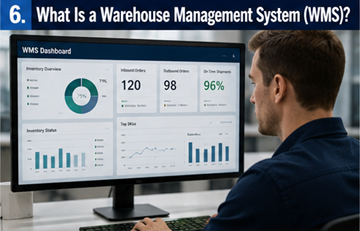
A Warehouse Management System, often called WMS, is software used to manage warehouse operations and inventory tracking.
WMS platforms help businesses monitor stock levels, organize storage locations, process orders, and track shipments in real time.
- Real-time inventory visibility
- Faster order processing
- Reduced inventory errors
- Improved warehouse productivity
- Shipment tracking integration
- Automated reporting and analytics
Warehousing in E-Commerce Logistics
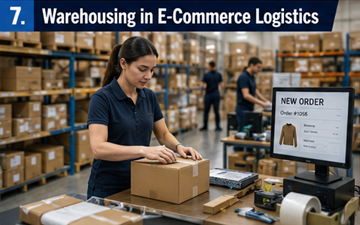
E-commerce businesses depend heavily on warehousing and fulfillment operations. Online stores often keep products in warehouses close to major customer regions to reduce delivery times.
When customers place online orders, warehouse teams pick, pack, and ship the products quickly through courier and transport networks.
- Fast order fulfillment
- Same-day or next-day delivery
- Automated stock management
- Returns processing
- Parcel sorting and labeling
- Integration with transport carriers
Common Warehouse Challenges
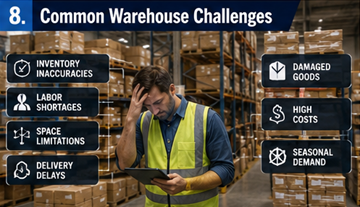
Although warehousing improves logistics operations, companies still face several operational challenges.
- Inventory inaccuracies
- Storage space limitations
- Labor shortages
- Delayed deliveries
- Damaged products
- Seasonal demand fluctuations
- High operating costs
- Complex international logistics
Many businesses solve these problems by using automation, better warehouse layouts, digital inventory systems, and professional logistics partners.
Future of Warehousing and Logistics
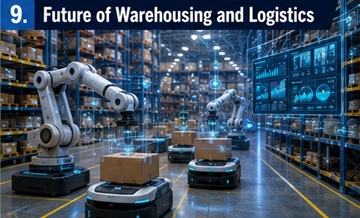
Warehousing is rapidly evolving due to automation, artificial intelligence, robotics, and smart logistics technologies.
Future warehouses are expected to become faster, more energy efficient, and increasingly automated. Many companies are already using robots, AI-powered inventory systems, and predictive analytics to improve operations.
- Autonomous warehouse robots
- AI inventory forecasting
- Automated picking systems
- Smart inventory tracking
- Sustainable warehouse operations
- Electric logistics equipment
- Real-time supply chain monitoring
Conclusion
Warehousing is a fundamental part of modern logistics and supply chain management. It helps businesses store products safely, manage inventory efficiently, and deliver goods quickly to customers across Europe and worldwide.
From traditional storage facilities to highly automated smart warehouses, warehousing continues to play a key role in global trade, e-commerce, and transport operations.
FAQ
What is the main purpose of a warehouse?
The main purpose of a warehouse is to store goods safely and prepare them for distribution, transport, or delivery.
What is the difference between warehousing and logistics?
Warehousing focuses on storing and managing inventory, while logistics includes transportation, distribution, and overall supply chain operations.
What industries use warehouses?
Warehouses are used in retail, e-commerce, manufacturing, food distribution, pharmaceuticals, automotive logistics, and many other industries.
What is a smart warehouse?
A smart warehouse uses automation, robotics, software systems, and digital tracking technologies to improve efficiency and reduce manual work.
Why is warehouse management important?
Good warehouse management improves inventory accuracy, reduces operational costs, speeds up deliveries, and increases customer satisfaction.
What is a fulfillment center?
A fulfillment center is a warehouse specialized in processing and shipping customer orders, especially for e-commerce businesses.
eXus Dev